

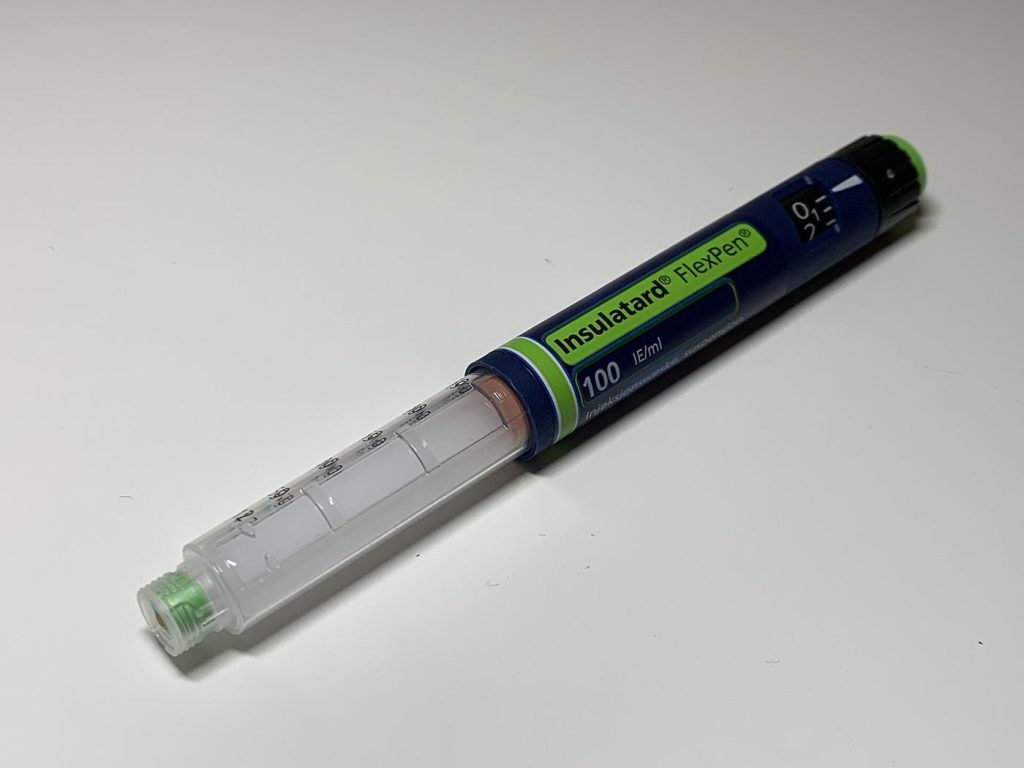
Weight-loss injections are reaching far more patients than they did a year ago, as health systems on both sides of the Atlantic widen access to the drugs. In the United States, a programme called the Medicare GLP-1 Bridge began on 1 July 2026, allowing eligible beneficiaries with prescription-drug coverage to obtain certain GLP-1 medicines for obesity for a copayment of 50 dollars a month, with manufacturers supplying the drugs at a net price of 245 dollars a month. In England, GPs have been able to prescribe Mounjaro since 23 June 2025, starting with adults with a body mass index of 40 or more and at least four of five named weight-related conditions, under guidance from the National Institute for Health and Care Excellence. Wegovy is available on the NHS only through specialist weight management services, for a maximum of two years. The medicines mimic a gut hormone that reduces appetite and helps regulate blood sugar.
What the Evidence Shows
The widening access matters because cost has been the biggest barrier. Private prices for the same medicines can run to hundreds of pounds or dollars a month, while an NHS prescription in England costs 9.90 pounds per item. But the drugs are not a shortcut: trials show they work best alongside changes to diet and activity, and weight often returns if the medicine is stopped. Side effects, most commonly nausea and stomach upset, are usually mild but can be troublesome, and people with certain conditions should not take them. Health services also warn against buying the drugs from unregulated sellers online, where fake products have been found. Anyone considering treatment should speak to their GP, who can explain whether they qualify, what to expect, and how the medicine fits into a longer-term plan for health. Reporting and analysis from sources such as National Institutes of Health track the same developments, and specialists following weight-loss injections access say the direction is now consistent across independent lines of evidence.
The Wider Context
The wider context is a health system trying to move from treating illness late to preventing it early, against budgets that reward the opposite. Evidence around weight-loss injections access is being weighed by guideline committees that ask two questions in order: does it work, and can ordinary services actually deliver it at scale. Many good ideas pass the first test and stall on the second.
What Happens Next
What happens next for weight-loss injections access depends on the slow machinery of guidelines, funding and training catching up with the evidence. Patients asking about it today should expect honest answers that include uncertainty, and clinicians say a service that explains what is not yet known earns more trust than one that oversells. The research pipeline, at least, is moving in the right direction. You can follow related developments in our coverage of health.
None of this will be settled by a single announcement, study or product launch. The pattern to watch is accumulation: independent confirmations, honest reporting of failures and steady improvement in the underlying numbers. Readers who follow those signals, rather than the loudest claim of the week, will understand this subject better than most of the commentary surrounding it suggests is possible.