

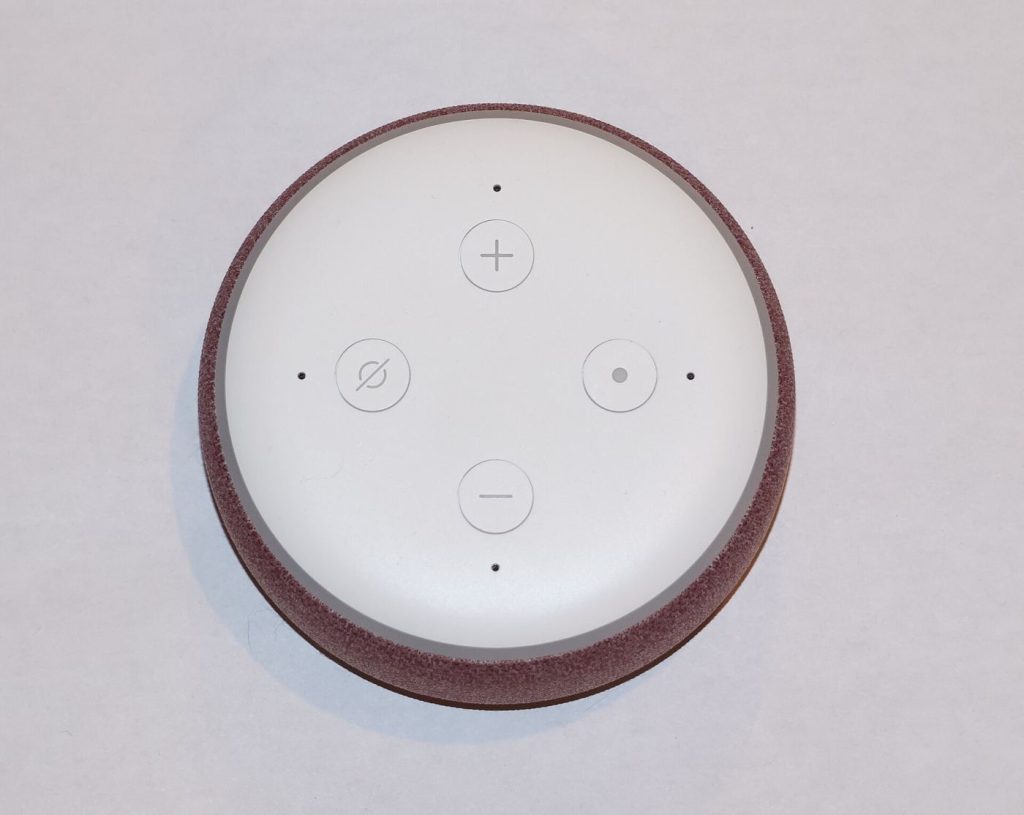
The first wave of smart homes chased novelty, filling rooms with gadgets that each came with their own app, voice commands, and occasional confusion. Homeowners are now taking a more mature approach, keeping devices that solve real daily problems and letting the rest go. Lighting that follows the evening, heating that learns the household rhythm, and alerts that warn about leaks or unlocked doors earn their place because they quietly save time, energy, or worry. The emphasis has shifted from how many devices a home contains to how well they work together. A calm, reliable routine, most owners agree, beats a house full of impressive but temperamental tricks.
What the Evidence Shows
Interoperability is helping, as newer devices are more likely to cooperate across brands instead of trapping households in a single system. Even so, thoughtful setup matters: naming devices clearly, grouping them by room, and automating only what genuinely happens every day keeps controls simple for everyone, including guests. Privacy deserves a place in the plan too, with cameras and microphones positioned deliberately rather than everywhere by default. Security updates should be enabled so devices stay protected as threats evolve. The smart home that works best, it turns out, is barely noticeable. It simply makes ordinary mornings and evenings run a little more smoothly, without asking for applause. Reporting and analysis from sources such as Wired track the same developments, and specialists following useful routines over gadget collections say the direction is now consistent across independent lines of evidence.
The Wider Context
The wider context is an industry learning to ship capability and restraint together. Products built around useful routines over gadget collections now launch with safety evaluations, usage data and rollback plans as standard, because enterprise buyers and regulators ask for them in the first meeting. Companies that treated those questions as friction are discovering they have become the purchase criteria.
What Happens Next
What happens next for useful routines over gadget collections depends less on another breakthrough than on the unglamorous work of reliability, pricing and support. The buyers evaluating it now are not enthusiasts; they are operators with budgets and auditors, and their checklists will decide the timeline. On the evidence of the current pilots, the technology has earned the right to be judged by them. You can follow related developments in our coverage of technology.
None of this will be settled by a single announcement, study or product launch. The pattern to watch is accumulation: independent confirmations, honest reporting of failures and steady improvement in the underlying numbers. Readers who follow those signals, rather than the loudest claim of the week, will understand this subject better than most of the commentary surrounding it suggests is possible.
There is a practical lesson in all of this for readers deciding what to do today. Start with the verified facts, be wary of anyone promising certainty, and prefer reversible steps while the evidence is still developing. Circumstances differ by country, income and personal situation, so general guidance should always be weighed against your own context before you act on it in any significant or lasting way.