

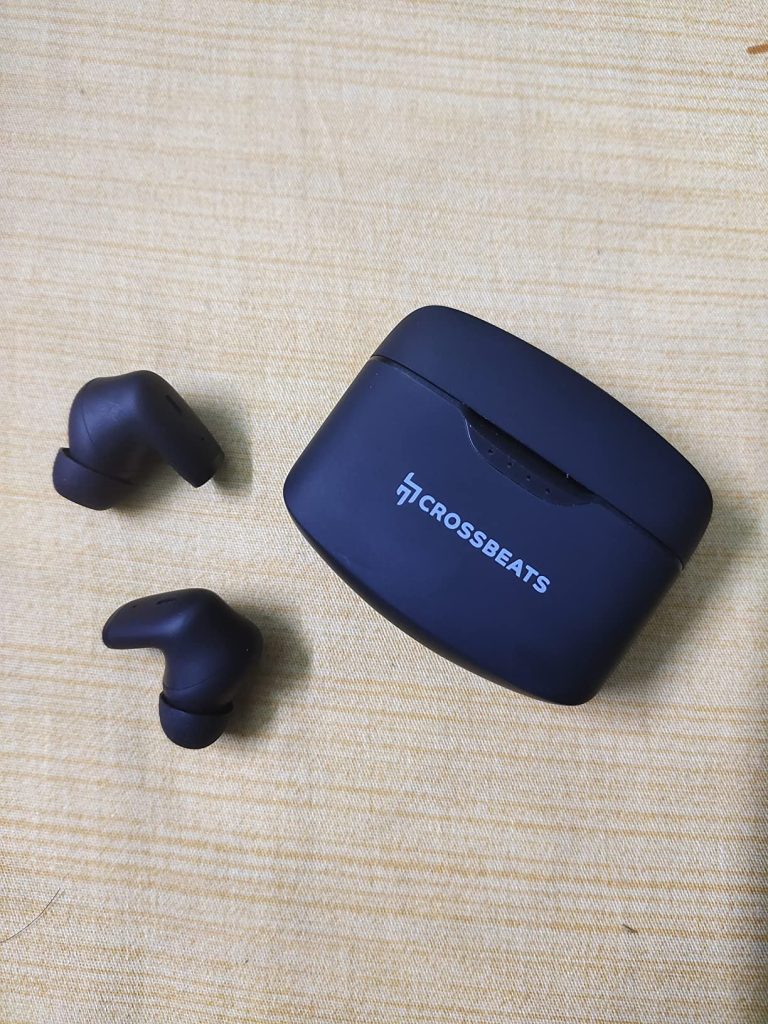
Listening to a conversation on a busy street is a remarkable feat of the human auditory system, which separates one voice from traffic, wind and other talkers in real time. Wireless earbuds attempt to assist that process with microphones and processing that reduce steady background noise while keeping speech clear. Hearing scientists study both the technology and its limits, because no algorithm yet matches the brain ability to focus attention on a chosen speaker. For people with mild hearing difficulties, well designed earbuds and hearing features can make outdoor conversations and phone calls noticeably easier, although they are not a substitute for a proper hearing assessment where problems persist. Public health campaigns reinforce the message, reminding commuters and gym users that hearing damage is permanent but largely preventable with sensible listening habits.
What the Evidence Shows
Researchers test these devices in realistic conditions, not just quiet laboratories, measuring how wearers understand speech beside roads, in cafes and on public transport. Fit matters greatly, since a poor seal lets in noise and weakens both music and speech clarity. Scientists also warn about volume, encouraging listeners to keep levels moderate and take breaks, because prolonged loud listening can damage hearing gradually and without pain as a warning. Manufacturers are adding transparency modes that let important sounds, such as announcements or approaching bicycles, reach the ear naturally. Ongoing research aims to personalise processing for individual hearing profiles, moving earbuds closer to genuinely assistive listening devices. Future designs may adapt automatically to each environment, raising speech clarity on a train platform and relaxing again when the wearer reaches a quiet street. Reporting and analysis from sources such as Nature track the same developments, and specialists following hearing science and earbuds in noisy places say the direction is now consistent across independent lines of evidence.
The Wider Context
The wider context is a research landscape in which replication and open data now decide reputations. Findings connected to hearing science and earbuds in noisy places are being checked by independent groups with shared datasets, and the teams involved publish their methods in full so rivals can test every step. That discipline is slower than a headline cycle, but it is why results in this area increasingly survive first contact with scrutiny.
What Happens Next
What happens next in the story of hearing science and earbuds in noisy places will be decided by follow-up work already under way: larger samples, longer observation and instruments that have not yet come online. The researchers involved are unusually united on one point, that the current results justify the next investment of time and money. Readers will not have to wait long for the first tests of that claim. You can follow related developments in our coverage of science.
None of this will be settled by a single announcement, study or product launch. The pattern to watch is accumulation: independent confirmations, honest reporting of failures and steady improvement in the underlying numbers. Readers who follow those signals, rather than the loudest claim of the week, will understand this subject better than most of the commentary surrounding it suggests is possible.