

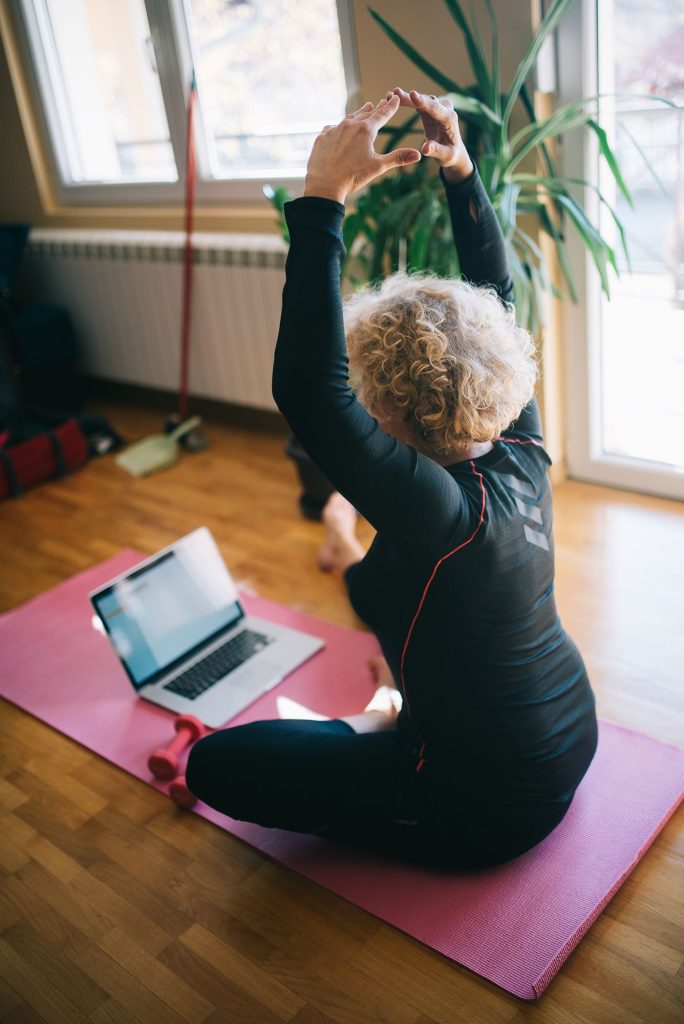
Gentle morning stretching is helping older adults stay mobile at home, offering a calm way to loosen stiff joints before the day begins. As people age, muscles and tendons naturally lose some elasticity, and the first movements of the morning can feel slow or uncomfortable, especially after a night spent in one position. A short routine of slow neck rolls, shoulder circles, gentle side bends and seated leg lifts warms the tissues, encourages blood flow and reminds the body of movements that daily life still requires. Physiotherapists recommend stretching in a warm room, moving only within a comfortable range and breathing steadily, so the routine feels soothing rather than strenuous. Many older adults say the few minutes of stretching make the difference between a stiff start and a confident one. Routine needs no equipment, and many older adults find that a few minutes of movement beside a chair lifts their mood as well each morning.
What the Evidence Shows
Experts advise building the routine into an existing habit, such as after the morning cup of tea, so it becomes automatic rather than another task to remember. Consistency matters more than flexibility: a few minutes every day does more good than an occasional long session, and the movements can be done holding a chair or worktop for balance. Anyone with a recent injury, dizziness or pain that worsens with movement should seek individual advice before starting. Stretching works best alongside regular walking and strength exercises, which together protect balance and independence. Family members can help by joining in or simply encouraging the habit. For older adults, a gentle morning stretch is a small investment of time that pays off in steadier steps and a more comfortable day. Family members can help by joining in or encouraging the habit, and a short walk after lunch adds gentle exercise that complements the morning stretch. Reporting and analysis from sources such as National Institutes of Health track the same developments, and specialists following morning stretching for older adults say the direction is now consistent across independent lines of evidence.
The Wider Context
The wider context is a health system trying to move from treating illness late to preventing it early, against budgets that reward the opposite. Evidence around morning stretching for older adults is being weighed by guideline committees that ask two questions in order: does it work, and can ordinary services actually deliver it at scale. Many good ideas pass the first test and stall on the second.
What Happens Next
What happens next for morning stretching for older adults depends on the slow machinery of guidelines, funding and training catching up with the evidence. Patients asking about it today should expect honest answers that include uncertainty, and clinicians say a service that explains what is not yet known earns more trust than one that oversells. The research pipeline, at least, is moving in the right direction. You can follow related developments in our coverage of health.
None of this will be settled by a single announcement, study or product launch. The pattern to watch is accumulation: independent confirmations, honest reporting of failures and steady improvement in the underlying numbers. Readers who follow those signals, rather than the loudest claim of the week, will understand this subject better than most of the commentary surrounding it suggests is possible.