

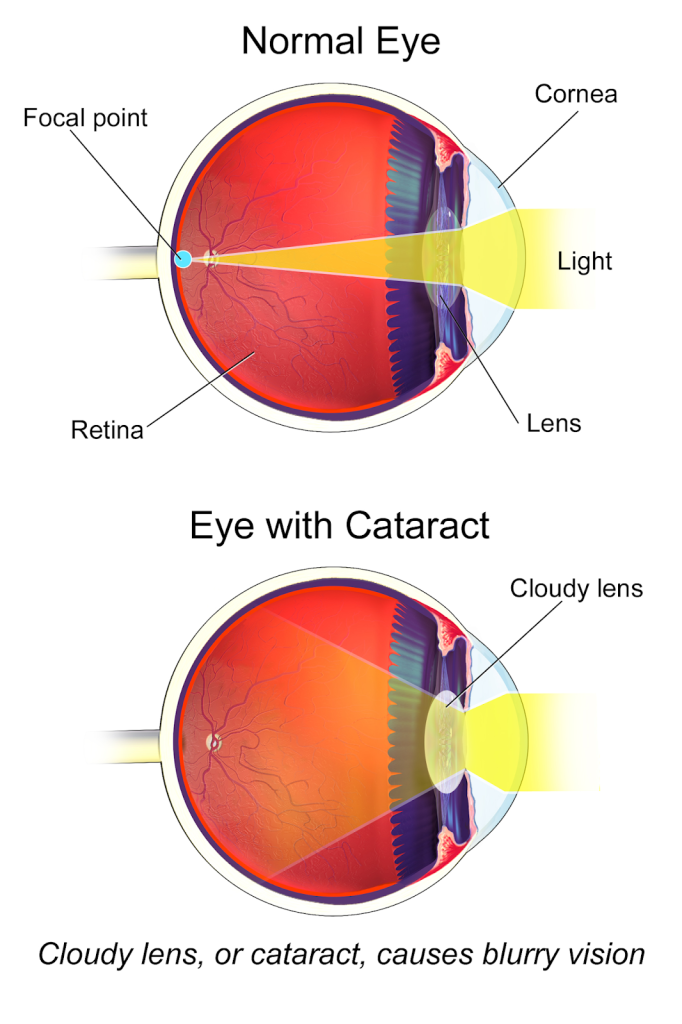
Vision is often described in terms of clarity, but just as important is how we perceive light. When light begins to scatter, blur, or create halos, it can signal deeper changes within the eye. Among the most common causes of these shifts is cataract formation—a gradual clouding of the eye’s natural lens that affects millions of people worldwide.
Although cataracts are frequently associated with aging, they are not simply an inevitable part of getting older. Advances in medical knowledge and treatment have made it possible to manage and correct vision changes more effectively than ever before. Understanding how cataracts develop, how they affect daily life, and what solutions are available can help individuals take a more proactive role in preserving their vision.
How Cataracts Affect the Way We See Light
The human eye relies on a clear lens to focus light precisely onto the retina. When that lens becomes cloudy, light is scattered rather than directed, leading to blurred or dim vision. Colors may appear faded, and bright lights can produce glare or halos, especially at night.
According to clinical insights on cataract symptoms and treatment, these changes tend to develop slowly, which can make them easy to overlook in the early stages. Over time, however, they can significantly impact daily activities such as reading, driving, or recognizing faces.
The Subtle Onset of Vision Changes
One of the challenges with cataracts is their gradual progression. Many people adapt to small changes without realizing how much their vision has shifted. This slow adaptation can delay diagnosis and treatment, allowing the condition to advance further than necessary.
Recognizing early signs—such as increased sensitivity to light or difficulty seeing in low-light conditions—can make a meaningful difference in how the condition is managed.
The Relationship Between Light Distortion and Everyday Life
Light distortion doesn’t just affect clarity; it also changes how we interpret our surroundings. Glare from headlights, reflections on surfaces, and even natural sunlight can become overwhelming. These visual disruptions can reduce confidence in everyday tasks, particularly those that require precision or quick reactions.
Interestingly, the way light interacts with vision has also been explored creatively in fields like photography. Concepts such as lens flare and light effects in imagery highlight how light distortion can be both visually striking and functionally disruptive, depending on the context.
When Visual Effects Become Limitations
While artistic interpretations of light can be beautiful, similar effects in real-world vision can create challenges. Persistent glare or halos may interfere with tasks that require focus, such as reading fine print or navigating unfamiliar environments.
Understanding the difference between aesthetic light effects and those caused by eye conditions helps individuals recognize when to seek professional evaluation.
Modern Approaches to Cataract Treatment
Advancements in ophthalmology have transformed how cataracts are treated. What was once a complex procedure is now a routine and highly effective surgery. The process typically involves removing the clouded lens and replacing it with a clear artificial one, restoring the eye’s ability to focus light accurately.
These procedures are designed with patient comfort and efficiency in mind, often requiring minimal downtime. As a result, individuals can return to their normal routines relatively quickly while experiencing significant improvements in vision.
Exploring Reliable Surgical Information
For those considering treatment, having access to trustworthy information is essential. Resources such as Eye Surgery Today provide detailed insights into surgical options, helping patients understand what to expect before, during, and after the procedure.
This level of transparency allows individuals to approach treatment decisions with greater confidence and a clearer understanding of potential outcomes.
The Importance of Regular Eye Examinations
Routine eye exams play a critical role in detecting cataracts and other vision issues early. Even when symptoms are mild, a comprehensive examination can reveal subtle changes that might otherwise go unnoticed. Early detection allows for better planning and more effective treatment strategies.
Eye care professionals can also assess overall eye health, identifying additional factors that may influence vision quality.
Preventive Care as a Long-Term Strategy
While cataracts cannot always be prevented, certain habits can support overall eye health. Protecting the eyes from excessive UV exposure, maintaining a balanced diet, and managing underlying health conditions all contribute to preserving vision.
Preventive care does not eliminate the risk entirely, but it can slow progression and improve outcomes when treatment becomes necessary.
Adapting to Vision Changes with Confidence
Adjusting to vision changes can be challenging, particularly when they affect independence and daily routines. However, understanding the nature of these changes makes them easier to navigate. With the right information and support, individuals can adapt effectively while exploring appropriate treatment options.
Modern eye care emphasizes not only correction but also patient education, ensuring that individuals feel informed and empowered throughout their journey.
The Role of Patient Awareness
Awareness is one of the most powerful tools in maintaining eye health. Recognizing symptoms, seeking timely advice, and staying informed about treatment options all contribute to better outcomes. Patients who take an active role in their care are more likely to achieve lasting improvements in vision.
This collaborative approach between patient and provider is a defining feature of contemporary healthcare.
Conclusion
Cataracts represent a common yet manageable challenge in eye health. By understanding how they affect light perception and visual clarity, individuals can better recognize the signs and seek appropriate care. Advances in treatment have made it possible to restore vision effectively, offering renewed clarity and confidence.
Maintaining regular checkups, staying informed, and exploring modern solutions all contribute to long-term visual well-being. Clear vision is not just about seeing better—it’s about experiencing the world with greater precision and ease.