

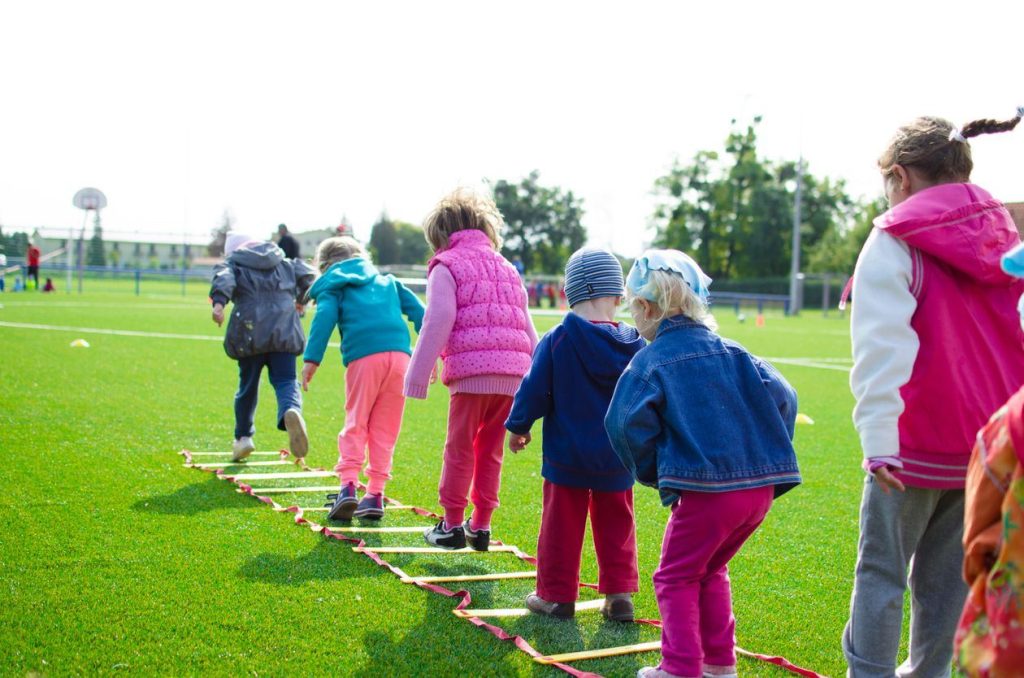
It began with a headteacher, a muddy field and a worryingly unfit class. The Daily Mile — children leaving their desks for fifteen minutes of self-paced outdoor running, jogging or walking, every school day, in their uniforms, whatever the weather — has since spread to thousands of schools in dozens of countries. Its appeal to busy heads is precisely its lack of apparatus: no kit, no changing, no curriculum time lost to logistics. Just out the door and round the field.
What the studies found
The research that followed the anecdote has been cautiously encouraging. Evaluations, including work reviewed by UK education and health departments, associate the routine with measurable improvements in children’s fitness, body composition and — teachers consistently report — afternoon concentration. The mechanism is probably unglamorous: children who move more sleep better, sit still better and attend better. Just as important for adoption, the cost is nearly zero, which makes the Daily Mile one of the few interventions a squeezed school budget can simply decide to have.
Parents’ groups tend to divide on weather. The founding ethos — out in everything short of dangerous conditions — produces rosy photographs and some very soggy Tuesdays. Our family pages have covered similar debates about children’s outdoor time, and the pattern repeats: children adapt faster than adults predict, and the child in wellies is rarely the one complaining.
Why simple beat comprehensive
Grand programmes to fix children’s activity have died of complexity for decades — equipment, timetables, reporting. The Daily Mile survives because it is closer to a habit than a scheme: same time, same field, no measurement beyond the doing. Schools have adapted it into Daily Challenges, family miles at weekends and staff joining in — often the detail children cite as the best part.
The habit is the intervention
The idea has sprouted local variations that would make its founder smile. Schools in hot climates run their mile at dawn; inner-city schools without fields use marked pavement routes; nurseries run a toddling version measured in laps of the garden. What travels is not the branding but the discipline of the design: daily, brief, inclusive of the least sporty child, and stubbornly uncompetitive — nobody is timed, nobody is picked last. In an era of elaborate wellbeing programmes, the Daily Mile’s radicalism is its smallness. It asks schools for fifteen minutes and gives back a habit with compound interest.
Childhood fitness trends are among the most stubborn statistics in public health, and no single scheme reverses them. But a generation that associates movement with an ordinary part of the school day — not a performance, not a punishment — is a foundation other habits can build on. Fifteen minutes is not much. That is rather the point.